

Enterprise Development
We develop and facilitate training and follow-ups in aspects that enhance people’s skills in enterprise development. These are aimed at enabling them become effective in managing their financial resources, create employment and increase incomes. This is done through the following specific areas:
- Financial literacy /education
- Starting and running profitable and sustainable businesses
- Savings and credit schemes formation and management
- Financial literacy /education


We are now specifically focusing on empowering more women, youth and disabled to unleash and fulfil their potential as entrepreneurs. They will be enabled to translate the acquired skills into functioning enterprises, increased growth in confidence and ability to mobilise, access and utilize resources that will help them shape their future with certainty.
Strengthening the entrepreneurship ecosystem by collaborating with likeminded partners is our priority. This is through the development of programs that address the barriers of entrepreneurship and better livelihoods among the excluded youth, women, disabled and those people with mental and wellbeing challenges.
Capacity Building, Institutional strengthening and Leadership development
Capacity building and institutional strengthening are integral parts of the technical support that we provide to individuals, organizations and institutions. At an individual and group level, we deliver services that build knowledge and skills, influence attitudes and positively influence the working practices of the participants.

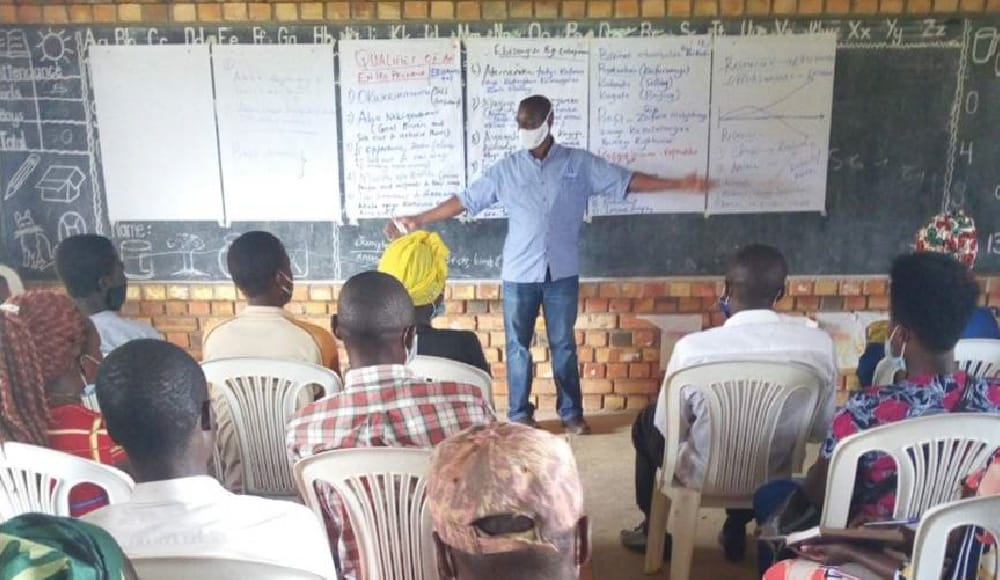
At an institutional level, our objective is to engage the client in refocusing and streamlining the structure, processes, management resources and abilities of the organization in order that it is better able to perform the tasks and responsibilities assigned to it. A fundamental and challenging aspect of this process is ensuring that the improvements made are absorbed and sustainable beyond the life of the intervention
ENI provides efficient, proven systems that help leaders at all levels of the business be more successful in fulfilling their leadership expectations and tackling tough challenges in the competitive business world.
This is delivered through trainings in the following areas:
- Delivering excellent and impactful sustainable project
- Resource mobilization and management
- Leading change and innovation in organizations and institutions
Inclusive social and community development
One of the cross-cutting themes of the organization is inclusion, grounded in the foundational principle of equal opportunity for all. We implement social and community development, climate change and climate justice, education quality and access for young people, mental health and mental wellbeing projects through collaboration and networking with other agencies on joint project development and fundraising.
When implementing our programs, we are reminded that we all have a role to play in how we address the big and complex issue of economic inequity and we are mindful not to leave out vulnerable groups like the PWDs, women, elderly and girl child and the mentally challenged to their access to quality financial and social services.

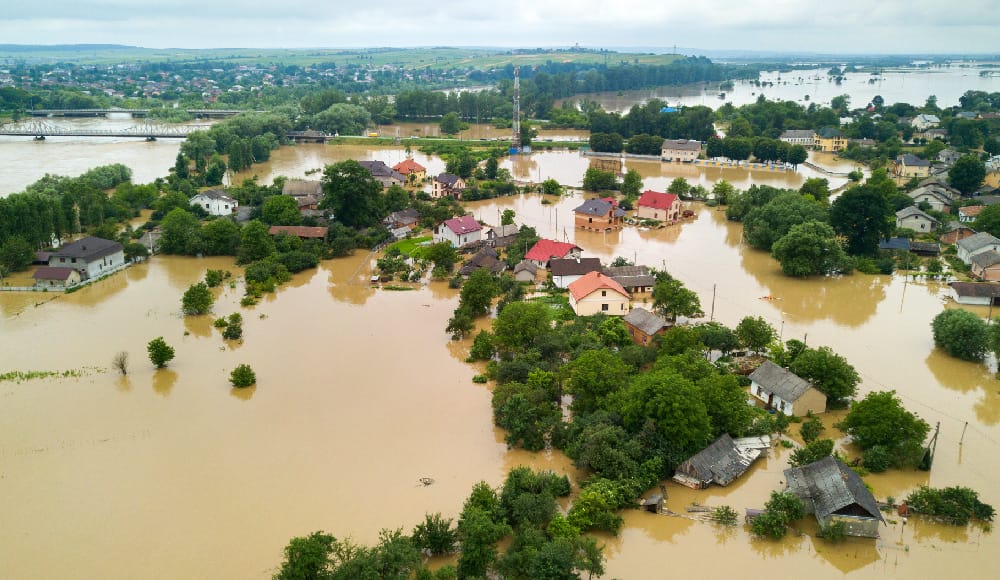
The Social Inclusion and Community Development provides a space for looking for funds and partnerships to address issues of poverty, inequality, discrimination.
People Life skills trainings
ENI has a suit of Life skills resources, designed to help young people find a good way forward, whatever the future holds. These offer students’ practical ways to work towards their next steps, whether that’s career goals or further/higher education.
We also develop and deliver module-based life skills to Adults in and out of school so that their confidence and motivation – and gain new skills in relation to employability and financial capability.
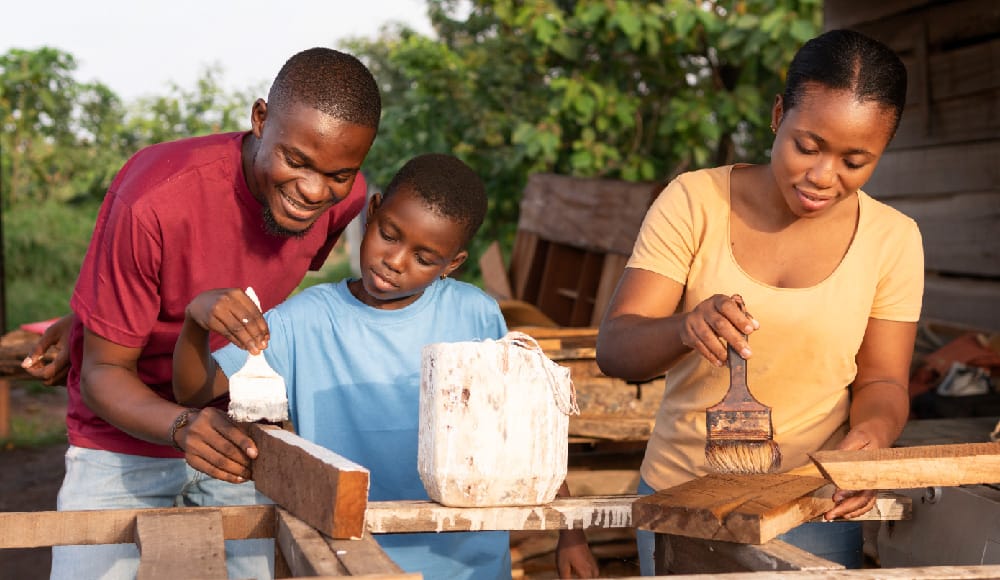
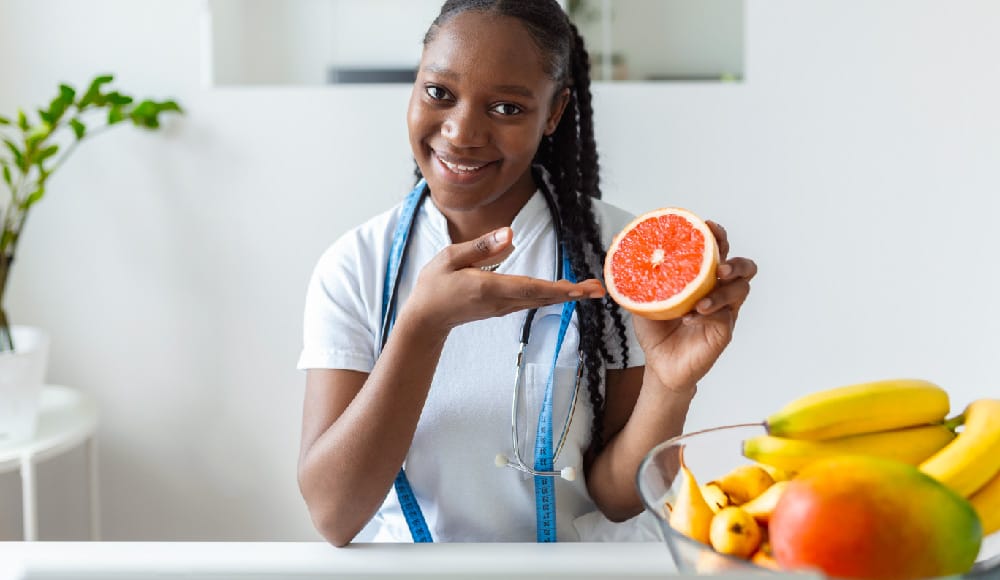
These customized lifestyle modules are guides used by educators and other change agents to effectively facilitate life skills trainings to different age categories from 3 years to 60+ using the different models like Skills Builders Model (Skills Builder Journey) and others.
We also develop and deliver module-based life skills to Adults in and out of school so that their confidence and motivation – and gain new skills in relation to employability and financial capability.
These customized LS modules are guides used by educators and other change agents to effectively facilitate life skills trainings to different age categories from 3 years to 60+ using the different models like Skills Builders Model (Skills Builder Journey) and others.
We also develop and deliver module-based life skills to Adults in and out of school so that their confidence and motivation – and gain new skills in relation to employability and financial capability.
These customized LS modules are guides used by educators and other change agents to effectively facilitate life skills trainings to different age categories from 3 years to 60+ using the different models like Skills Builders Model (Skills Builder Journey) and others.
The resultant effect of all the above trainings enables participants discover how to improve the much-needed core transferable (sometimes called ‘soft’ or ‘personal’) skills, such as leadership, aiming high (proactivity), and problem solving. After introducing each skill, the toolkit signposts to lessons and interactive activities to help embed learning, and features supporting case studies that demonstrate how these skills are applied in the real world.
These trainings equip adults with work readiness skills. Work readiness skills are a set of skills and behaviours that are necessary for any job. Work readiness skills are sometimes called soft skills, employability skills, or job readiness skills.
They also promote value driven lives, critical thinking and well measured decision-making processes.
Health and hygiene, value and attachment to families and commitment which is vital for better society is developed through these packages.
At ENI we underscore the fact that It has never been more important to build a set of essential skills to succeed in life for our children and young people: the ability to creatively solve problems, to self-manage, to communicate effectively, and to work well with others. These are skills that are needed to do almost anything well. The need for these skills is clear, but there is still a gap – too many children and young people do not build these skills to the level they need, and so miss out on opportunities to thrive in other parts of their lives. And that its our core duty to support the next generation of changemakers, campaigners, entrepreneurs and workers. We work to help them develop the skills they’ll need to fulfil their potential, take part meaningfully in society and grow the global economy.
Intergrated sustainable livelihoods, nutrition and climate justice
The Right to Food is one of the most basic rights of humankind. Not only is it one of the fundamental rights enshrined in the Universal Declaration on Human Rights, but it has been reflected in a series of UN Conventions ranging from the Rights of the Child to the Convention on the Elimination of Discrimination against Women. It is worth recalling the words of the UN Committee on Economic, Social and Cultural Rights:
“The right to adequate food is realised when every man, woman and child, alone or in community with others, has physical and economic access at all times to adequate food or means to its procurement…… States have a core obligation to take the necessary action to mitigate and alleviate hunger even in times of natural and other disasters.”
The current UN Rapporteur on the Right to Food, Olivier de Schutter, recently welcomed the decision of the G20 to place food security at the top of its agenda but he added a warning note:
“Time is running out for world leaders, who must go beyond rhetoric and deliver real change. The hungry cannot wait. Unless decisive action is taken now, vulnerable populations will grow hungrier, food markets will be increasingly unstable, and the world will remain completely unprepared for the challenge of feeding 9 billion people by 2050.”
This program targets populations and sectors that are most vulnerable to climate change and food insecurity through the creation of safety nets and contingency funds that respond to climate shocks.
We also focus on smallholder farmers. We know that up to 75% of people living in developing countries rely on agriculture for their livelihoods – and that over 90% of Africa’s agricultural production comes from small-scale production. Many of these farmers are women, who play a critical role in food and nutrition security and are responsible for growing, buying, selling and cooking the food.