

Enterprise development and business support to the youth and women program
We are now specifically focusing on empowering more women, youth and disabled to unleash and fulfil their potential as entrepreneurs. They will be enabled to translate the acquired skills into functioning enterprises, increased growth in confidence and ability to mobilise, access and utilize resources that will help them shape their future with certainty.
Strengthening the entrepreneurship ecosystem by collaborating with likeminded partners is our priority. This is through the development of programs that address the barriers of entrepreneurship and better livelihoods among the excluded youth, women, disabled and those people with mental and wellbeing challenges.

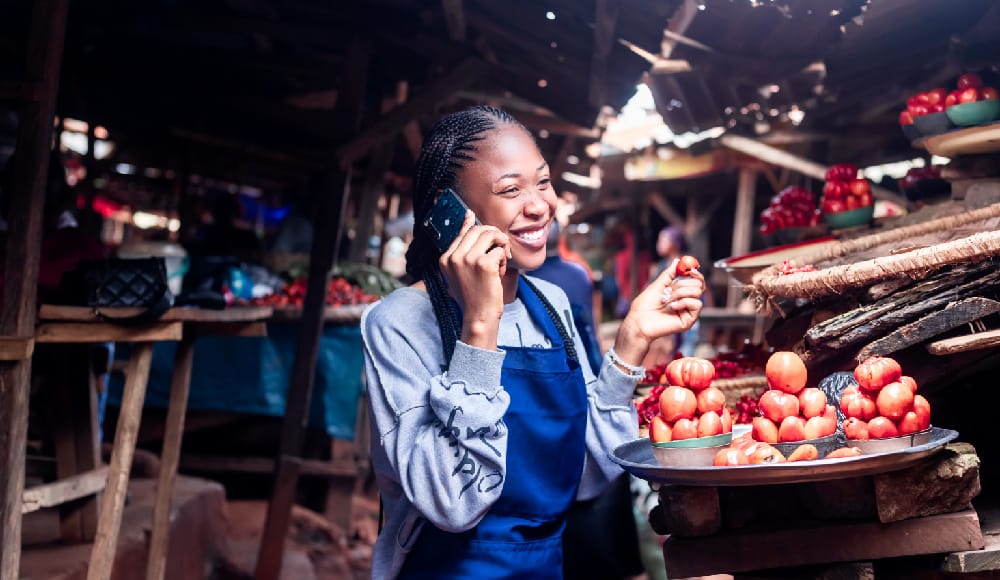
Capacity building and leadership development to the young workers and transitional workforce
Capacity building and institutional strengthening are integral parts of the technical support that we provide to individuals, organizations and institutions. At an individual and group level, we deliver services that build knowledge and skills, influence attitudes and positively influence the working practices of the participants.

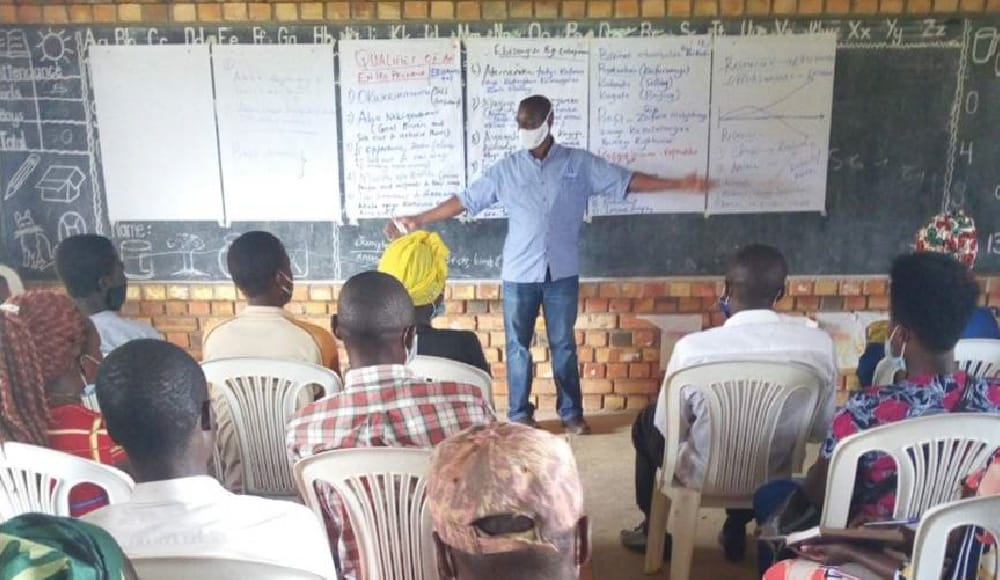
At an institutional level, our objective is to engage the client in refocusing and streamlining the structure, processes, management resources and abilities of the organization in order that it is better able to perform the tasks and responsibilities assigned to it. A fundamental and challenging aspect of this process is ensuring that the improvements made are absorbed and sustainable beyond the life of the intervention
ENI provides efficient, proven systems that help leaders at all levels of the business be more successful in fulfilling their leadership expectations and tackling tough challenges in the competitive business world.
Disability, gender development and climate justice
Disabled people are two to four times more likely to die following a natural catastrophe than non-disabled people. A wide range of factors interplay as to why disabled people are disproportionately impacted, these include:
• insufficient housing and low livelihoods, which increase their exposure to risks.
• of inaccessible shelters and evacuation protocols.
• and separation from carers and assistive devices.
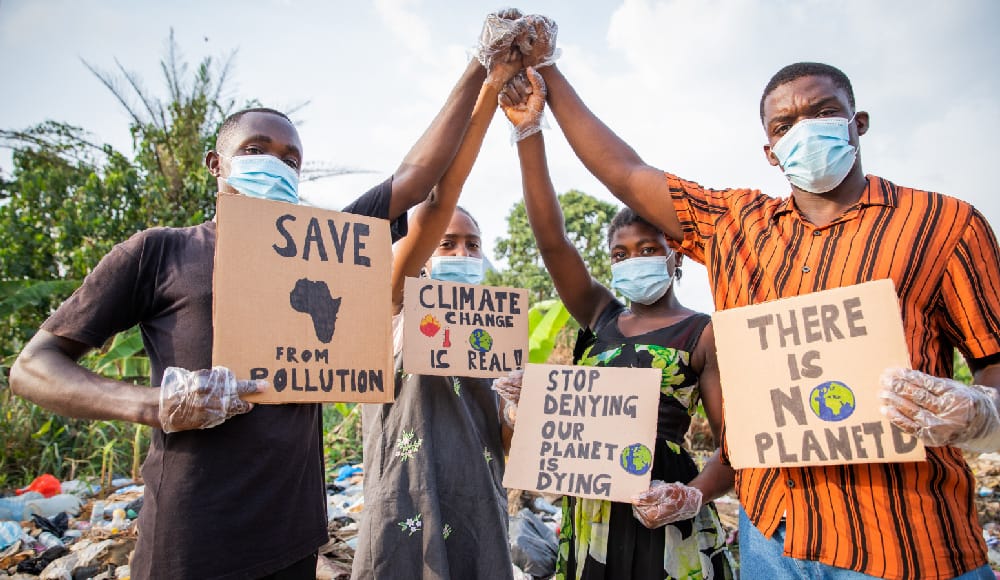
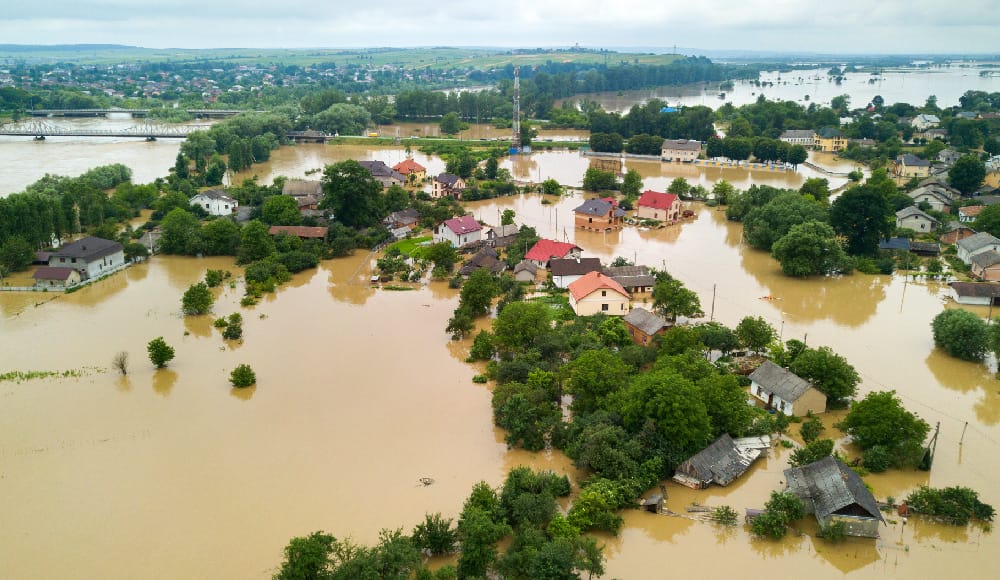
The needs and experiences of people with disabilities have been ignored and alienated within the broader climate justice discourse and movement. In the 2018 Intergovernmental Panel on Climate Change (IPCC) report, “disability” was only mentioned five times in its 1,515-page document.
At the same time gender may greatly affect who fares well in case of natural catostrophe; Men are more likely to cope better than women after a major natural disaster compared to women.
Our work is intended to close some of those gaps.
Life skills training among 3-60 years, quality education spaces for children and mental wellbeing.
ENI has a suit of Life skills resources, designed to help young people find a good way forward, whatever the future holds. These offer students’ practical ways to work towards their next steps, whether that’s career goals or further/higher education.
We also develop and deliver module-based life skills to Adults in and out of school so that their confidence and motivation – and gain new skills in relation to employability and financial capability.
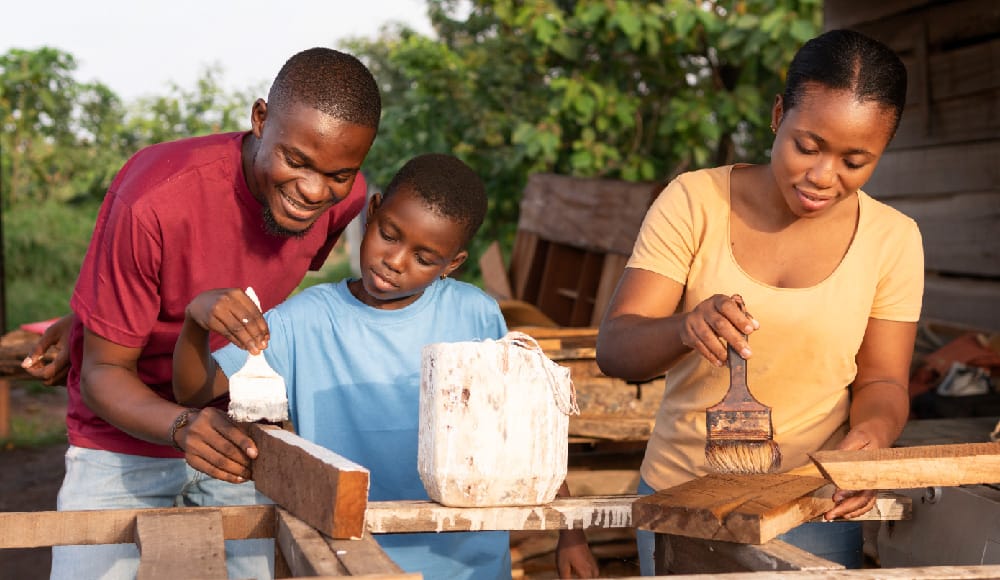
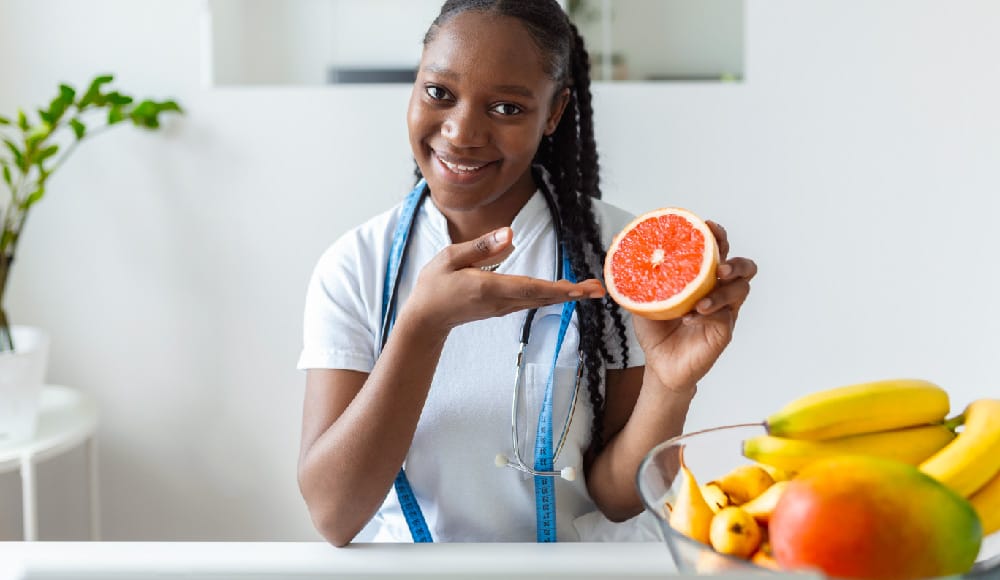
These customized lifestyle modules are guides used by educators and other change agents to effectively facilitate life skills trainings to different age categories from 3 years to 60+ using the different models like Skills Builders Model (Skills Builder Journey) and others.
We also develop and deliver module-based life skills to Adults in and out of school so that their confidence and motivation – and gain new skills in relation to employability and financial capability.
These customized LS modules are guides used by educators and other change agents to effectively facilitate life skills trainings to different age categories from 3 years to 60+ using the different models like Skills Builders Model (Skills Builder Journey) and others.
Intergrated sustainable livelihoods, nutrition and climate justice
The Right to Food is one of the most basic rights of humankind. Not only is it one of the fundamental rights enshrined in the Universal Declaration on Human Rights, but it has been reflected in a series of UN Conventions ranging from the Rights of the Child to the Convention on the Elimination of Discrimination against Women. It is worth recalling the words of the UN Committee on Economic, Social and Cultural Rights:
“The right to adequate food is realised when every man, woman and child, alone or in community with others, has physical and economic access at all times to adequate food or means to its procurement…… States have a core obligation to take the necessary action to mitigate and alleviate hunger even in times of natural and other disasters.”
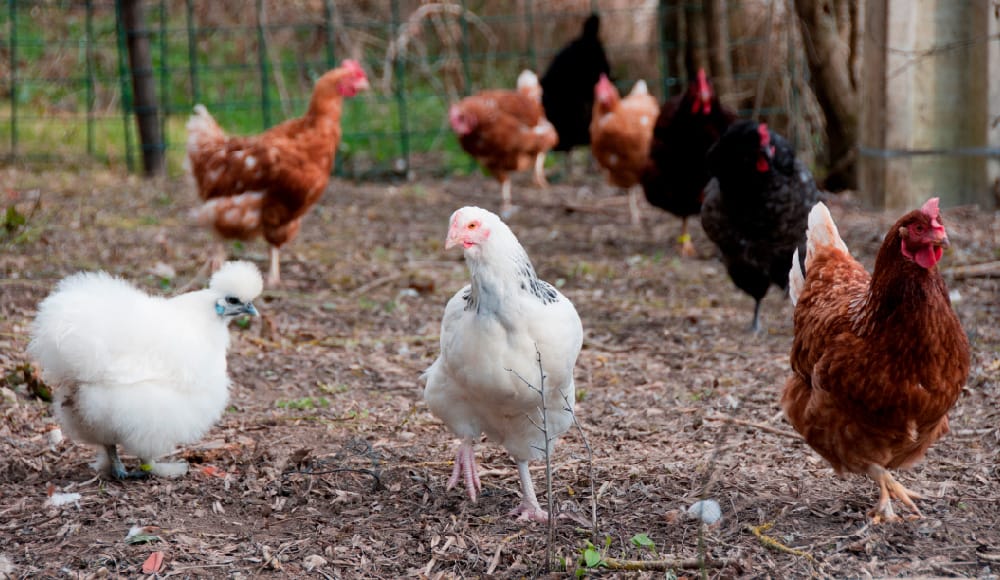
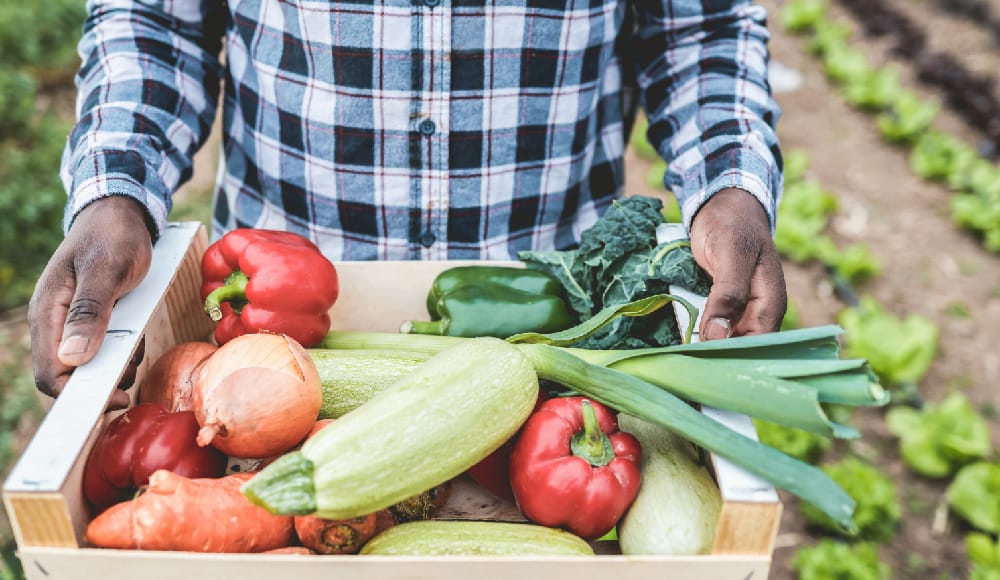
The current UN Rapporteur on the Right to Food, Olivier de Schutter, recently welcomed the decision of the G20 to place food security at the top of its agenda but he added a warning note:
“Time is running out for world leaders, who must go beyond rhetoric and deliver real change. The hungry cannot wait. Unless decisive action is taken now, vulnerable populations will grow hungrier, food markets will be increasingly unstable, and the world will remain completely unprepared for the challenge of feeding 9 billion people by 2050.”
This program targets populations and sectors that are most vulnerable to climate change and food insecurity through the creation of safety nets and contingency funds that respond to climate shocks.
We also focus on smallholder farmers. We know that up to 75% of people living in developing countries rely on agriculture for their livelihoods – and that over 90% of Africa’s agricultural production comes from small-scale production. Many of these farmers are women, who play a critical role in food and nutrition security and are responsible for growing, buying, selling and cooking the food.